Recycling and Sustainability at Removal Company Brixton
 At Removal Company Brixton, sustainability is built into the way we plan, sort, transport, and dispose of unwanted items. Our recycling-led removals approach is designed to keep reusable materials in circulation and reduce the volume of waste sent to landfill. We aim to achieve a minimum recycling rate of 90% across suitable loads, while continuing to improve how we separate materials such as wood, metal, cardboard, textiles, WEEE, and green waste. In a busy urban area like Brixton, where homes, flats, shops, and offices often generate mixed waste streams, careful sorting makes a real difference.
A practical approach to waste separation
Our Removal Company Brixton recycling process reflects the reality of local collections and borough-led waste separation standards. Across Lambeth and neighbouring districts, residents and businesses are increasingly encouraged to separate dry mixed recycling, food waste, and residual waste before items reach a transfer point. We support that effort by pre-sorting load contents wherever possible, which helps improve recovery rates and reduce contamination. Items such as paper, card, metals, and certain plastics can often be channelled into material recovery routes, while broken furniture and dismantled shelving are assessed for component reuse or recycling.
We also pay close attention to the different needs of flats and shared properties, which are common in the area. In these settings, recycling success often depends on compacting cardboard correctly, separating glass safely, and keeping hazardous materials away from general waste. Our team follows a methodical loading process so that recyclable materials are easier to identify once they reach the next stage of processing. That means less sorting is needed later and more of the waste stream can be recovered efficiently.
Local transfer stations and material recovery
 A key part of our Removal Company Brixton sustainability plan is using local transfer stations and authorised waste facilities as efficiently as possible. By choosing nearby transfer stations, we can reduce unnecessary mileage, limit idle time, and improve the journey from collection to recovery. These hubs play an important role in separating mixed loads, compacting recyclable fractions, and directing items towards licensed recycling plants. For many removals, the transfer station is where mixed household contents are assessed for wood recycling, metal recovery, and the onward treatment of electrical items.
What happens to common materials?
Different waste streams require different handling. Mattresses may be dismantled so textiles and metals can be recovered. Appliances and IT equipment can enter WEEE processing, where reusable metals, plastics, and circuit components are extracted. Timber from wardrobes, bed frames, and office furniture may go to recycling or energy recovery depending on condition and contamination. In some cases, plasterboard, packaging, and clean cardboard can also be separated for specialist treatment. This localised system helps keep the process transparent and supports a more sustainable cycle for the wider Brixton area.
For larger commercial clearances, we work with pre-agreed sorting plans so that recyclable materials are isolated from general waste before leaving the site. That improves our ability to meet our recycling percentage target and reduces the risk of sending valuable resources to landfill. The result is a cleaner, more efficient flow through the waste hierarchy: reuse first, then recycling, then recovery only where needed.
Charity partnerships and reuse opportunities
 Another important part of our recycling and sustainability work is partnering with charities and reuse organisations. Many items removed from homes, offices, and commercial spaces still have useful life left in them. Rather than treating everything as waste, we identify furniture, kitchenware, books, small appliances, and household items suitable for donation or reuse. This supports local and regional charities that help families, community projects, and low-income households access affordable essentials.
Where items meet the right condition standards, we prioritise reuse before recycling. A sofa that is clean and structurally sound may be passed on rather than broken down. Chairs, desks, shelving, and storage units can also be redirected if they remain fit for purpose. This approach reduces the environmental cost of manufacturing replacements and helps ensure that valuable goods are used for longer. It also mirrors the wider borough approach to waste management, where keeping objects in circulation is encouraged whenever possible.
Our charity partnerships are especially useful during moves, refurbishments, and clearances where a wide mix of items becomes available at once. In those situations, sorting for donation can significantly reduce waste volumes. At the same time, what cannot be reused is sent into appropriate recycling routes, ensuring the remainder is still handled responsibly.
Low-carbon vans and cleaner collections
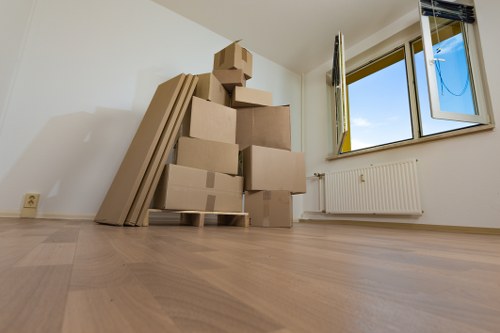 To support a lower-emission service, our fleet includes low-carbon vans chosen for efficient fuel use and reduced environmental impact. Modern routing tools help us plan collections in a way that cuts unnecessary travel across Brixton and surrounding boroughs. Fewer miles, fewer repeated trips, and better load planning all contribute to a smaller carbon footprint. This is particularly valuable in dense urban streets where traffic congestion can quickly increase emissions if routes are not carefully arranged.
Reducing emissions on every job
We also take steps to keep vehicles operating efficiently, including regular maintenance, sensible load distribution, and combining nearby jobs where practical. That means one well-planned journey can often replace several inefficient ones. For customers, this adds a sustainability benefit to the service without changing the convenience of the collection itself. For us, it is part of a wider commitment to making Removal Company Brixton recycling services cleaner, more accountable, and better aligned with the environmental priorities of the community.
Supporting a greener Brixton
 Sustainability is not a single action; it is a chain of decisions made from the moment an item is removed until its final destination is confirmed. By targeting a 90% recycling rate, using local transfer stations, working with charities, and operating low-carbon vans, Removal Company Brixton aims to make every collection more responsible. We also stay mindful of the local emphasis on waste separation, from cardboard and plastics to metals and electronic items, so that our work fits naturally with borough recycling expectations.
Whether a clearance involves a single room, a full property, or a commercial workspace, our method is designed to protect resources and minimise waste. Clean segregation, reuse pathways, and licensed recycling routes all contribute to a more sustainable result. In a community where space is precious and waste volumes can build quickly, thoughtful recycling practices are a practical way to support a cleaner and more efficient Brixton.