Commercial Moves in Brixton
Reliable business relocation support for Brixton companies

When a business needs to move, the pressure can build quickly. Staff still need to work, equipment has to be protected, deadlines may be tight, and the new premises must be ready to open with as little disruption as possible. That is why Commercial Moves in Brixton need careful planning, clear communication, and a team that understands both the pace of business and the practical realities of moving around South London.
Brixton is a busy, lively part of London with a mix of high-street units, creative studios, offices, cafes, small retailers, community organisations, and light industrial spaces. Each commercial move is different. A shop refit near the centre of Brixton will not have the same requirements as an office relocation in a converted building, a studio move close to Loughborough Junction, or a hospitality fit-out serving customers from Herne Hill, Stockwell, or Clapham. A local team can make a real difference because they understand local access patterns, loading constraints, shared entrances, and the timing issues that come with moving in a well-used urban area.
Whether you are relocating a small office, shifting stock between premises, moving fixtures and fittings, or planning a larger business relocation, a commercial removal service should do more than carry boxes. It should support the continuity of your operation. That means helping you plan the move, protect your assets, keep disruption low, and settle into the new space with confidence. Request a free quote if you are preparing for a move and want a practical, local approach.
What commercial moving services can include

A professional commercial move is usually more involved than a standard house move. Businesses often have specialist items, shared equipment, time-sensitive inventory, and layout requirements that must be handled with care. The exact service can vary depending on the type of premises and the scale of the relocation, but good providers will tailor the move to your needs rather than forcing you into a fixed process.
Typical services for business customers in Brixton may include office removals, retail relocations, warehouse or stock transfers, internal moves within the same building, furniture dismantling and reassembly, and transport for confidential files or specialist equipment. Some businesses also need help with crates, packing materials, temporary storage, and scheduled moves outside normal trading hours.
It is also common for businesses to need a combination of services. For example, a café might need furniture and equipment moved in stages, a design studio may need monitors and archiving boxes transported safely, and a growing company could require its office content moved while maintaining a working area for the rest of the team. A flexible commercial mover should be able to work around those needs instead of creating more interruptions.
Why a local Brixton team is especially useful

Moving in Brixton is not the same as moving in a quieter suburban area. The roads can be busy, parking can be limited, and access at certain times of day can be challenging. A commercial removals team with local knowledge understands how to plan around these issues. They will think about loading times, nearby traffic pinch points, the best route for larger vehicles, and how to reduce delays when the access space is tight.
Many commercial properties in and around Brixton are in mixed-use buildings, older terraces converted into offices, or units with shared corridors, narrow staircases, or controlled entry systems. In these spaces, movement has to be organised carefully. A local crew will be more comfortable working in busy streets near the centre of Brixton, around Stockwell, Coldharbour Lane, Tulse Hill, Herne Hill, Camberwell, and Peckham borders, where timing and manoeuvrability matter just as much as carrying capacity.
Commercial moves in Brixton often also involve coordination with landlords, building managers, or neighbouring businesses. If your new place has a lift booking, a loading bay slot, or specific move-in hours, a local service can help fit the relocation around those rules. That kind of practical support can save time and make the whole process feel much more manageable.
Types of businesses we can help move
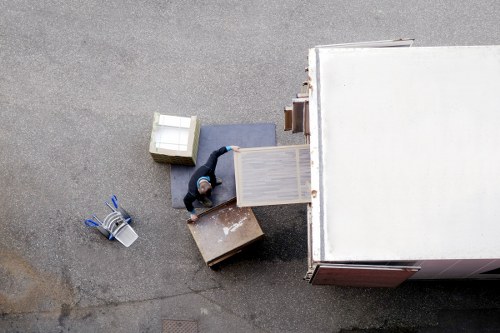
Commercial relocation services can support a wide range of organisations. Some customers need help with a small, straightforward move; others need a more detailed plan for a multi-stage relocation. Either way, the aim is to keep your business assets safe and your downtime as low as possible.
Common business customers include:
- Offices and professional practices
- Retail shops and showrooms
- Cafes, bars, and restaurants
- Creative studios and media spaces
- Community organisations and non-profits
- Light industrial units and trade premises
- Clinics, therapy rooms, and service-based businesses
- Start-ups moving into their first commercial space
Each type of move has different priorities. A retail move may focus on stock, display units, and opening deadlines. An office move often needs careful handling of computers, desks, monitors, filing cabinets, and confidential documents. Hospitality customers may need equipment moved with care, while service-based organisations often require a quiet, orderly process so records and customer-facing operations remain protected.
What is usually included in a commercial move

Before you book, it helps to know what a full commercial move can involve. Not every service will include the same tasks, but a well-organised provider should be able to explain exactly what is covered and what can be added if needed. That clarity is especially useful when you are balancing budgets, staff schedules, and opening dates.
Common inclusions may be:
- Initial discussion to understand the size and nature of the move
- Planning the move date, access times, and vehicle requirements
- Supplying packing materials or crates where required
- Careful packing of office, retail, or equipment items
- Dismantling furniture and workstations when needed
- Labelling and organising items for easier unpacking
- Transporting goods safely to the new premises
- Reassembly of selected furniture or workspace items
- Placement of items in the correct areas on arrival
- Optional help with internal moves, storage, or staged relocation
For many businesses, the most valuable part is not just the lifting and transport, but the organisation that sits behind it. A carefully planned move helps reduce confusion on the day, prevents unnecessary damage, and gives staff a clear understanding of what happens next.
How the process usually works
The best commercial removals experience begins long before moving day. A business move works best when there is enough time to assess the premises, understand the inventory, and decide which tasks need to happen before, during, and after the relocation. The process may be adapted to suit your company, but the stages usually follow a familiar structure.
First, you explain what needs to be moved and when the move needs to happen. This may include the size of the team, the type of premises, whether any specialist items are involved, and whether the move must happen outside opening hours. If your business operates in a busy area of Brixton, timing can be important. Early morning, evening, or weekend moves may help reduce disruption and improve access.
Next, the move is planned around practical details. This can include route planning, parking arrangements, entry points, use of lifts, and the order in which items should leave the current site. If the business has a reception desk, server area, stockroom, filing space, or multiple work zones, these areas may need to be labelled so items arrive in the right place at the new site. Book your service now if you are ready to secure a date and keep your relocation on track.
Planning considerations for Brixton properties
Brixton commercial spaces vary widely. Some are modern, purpose-built premises with easier access, while others are older buildings with stairs, shared doorways, or limited kerbside space. The practical side of the move will depend on the property type, the surrounding streets, and the amount of equipment being transported.
Useful planning points often include:
- Whether there is nearby loading space or only short-stay stopping
- If the building has lift access or requires stair carries
- Whether the move needs building management approval
- If neighbours or nearby units should be informed in advance
- Whether stock or equipment must be moved in a particular order
- How staff will work around the relocation schedule
These considerations may sound small, but they can make a big difference on the day. A team that asks the right questions early will usually deliver a smoother experience overall.
How to prepare your business for moving day
Preparation helps the move go faster and reduces the risk of lost items or delays. Even if you are using a professional mover, there are sensible steps your team can take to make the process easier. The goal is to keep essential items organised, protect important information, and avoid unnecessary confusion when everything is being loaded and unloaded.
Here is a practical checklist to consider before your commercial relocation in Brixton:
- Back up digital data before disconnecting equipment
- Label boxes, cables, and small items clearly
- Separate confidential files or items that need special handling
- Notify staff of key dates and packing responsibilities
- Clear walkways and remove loose items from floors
- Identify items that must stay accessible until the last minute
- Confirm entry codes, lift bookings, or key collection arrangements
- Set aside cleaning supplies for the old and new premises
- Check whether IT, utilities, and telecoms need separate scheduling
- Make sure fragile or high-value items are flagged in advance
Even a small office can benefit from this level of organisation. If you are moving a larger site, creating a room-by-room or department-by-department plan can save substantial time later. A local commercial moving company can often help you shape this plan so it suits the size and timing of your business.
What affects commercial moving costs
Businesses often want an accurate quote, but commercial move pricing depends on several factors. Because every relocation is different, it is usually best to ask for a tailored estimate rather than assuming a standard rate will fit your situation. A reliable mover will be open about the things that influence the final cost and should be able to explain the options clearly.
Common pricing factors include:
- The volume of items being moved
- The distance between the old and new premises
- Whether packing, dismantling, or reassembly is required
- If specialist handling is needed for heavy or delicate equipment
- Access conditions at both locations
- Parking, waiting, or loading limitations
- Whether the move must happen out of hours
- Whether storage or staged delivery is part of the plan
It is also worth thinking about the hidden cost of a poorly handled move. Delays, damaged furniture, missing files, and extended downtime can be expensive. Choosing an organised local team can help protect your budget by reducing avoidable disruption.
Budgeting with confidence
To help keep spending under control, many businesses in Brixton prefer to compare a few practical options. For example, you may decide to move in stages instead of all at once, or pack non-essential items ahead of time while leaving specialist equipment to the removal team. The right approach depends on your opening hours, staff capacity, and how quickly the new space needs to become operational.
Request a free quote if you want a clearer idea of what your move may involve. Even if you are still in the early planning stage, a conversation can help you understand what matters most and where the biggest costs may sit.
Why businesses choose a specialist commercial mover
It can be tempting to think of a business move as just a larger version of a household move, but the demands are often very different. Commercial spaces may contain heavier furniture, more cable management, customer-facing equipment, secure paperwork, and items that need to be in the correct place immediately after arrival. A specialist mover understands how to handle those pressures.
Businesses often choose a specialist because they want:
- Less disruption to daily work
- Careful handling of office and business equipment
- Better organisation for labelled items and departments
- Support with planning around access and timing
- A team used to working in active commercial environments
- Flexibility for evening, weekend, or phased moves
For Brixton businesses, locality matters too. A team that regularly works in the area is more likely to be familiar with typical access issues, mixed-use streets, and the need to keep things moving without blocking neighbours or customers. That knowledge can help the day run more smoothly from start to finish.
Areas covered around Brixton
Commercial customers in Brixton often need moving support across a wider South London area, especially when relocating between business clusters, storage points, or branch premises. Local knowledge is helpful not just in the centre of Brixton but in the surrounding neighbourhoods where business activity is closely connected.
Areas commonly served may include:
- Central Brixton
- Stockwell
- Herne Hill
- Clapham
- Tulse Hill
- Loughborough Junction
- Camberwell
- Peckham
- Kennington
- Nearby parts of South London
If your business is moving between one of these areas and Brixton, or you are simply shifting premises within the local district, a team with local experience can often make the process easier to coordinate. Contact us today if your move involves multiple locations or staged deliveries.
Handling specialist items and sensitive equipment
Some commercial moves require more than standard lifting and transport. Offices often have IT equipment, retail units may have display systems, hospitality venues may have appliances, and creative businesses may need cameras, lighting, or production gear moved with care. In other cases, confidential files, documents, or secure storage items need handling in a way that supports privacy and order.
When specialist items are involved, it is useful to tell the mover early. That way they can plan for the right packing materials, vehicle space, loading method, and handling sequence. If items are unusually heavy, awkward, fragile, or need disconnection before transport, the move can be scheduled in a way that reduces risk.
Examples of items that often need extra care include:
- Servers, desktop computers, and monitors
- Filing cabinets and archive boxes
- Shop displays and branded fixtures
- Kitchen or hospitality equipment
- Office chairs, desks, and conference tables
- Framed artwork or presentation materials
- Stock with fragile packaging
Good preparation and clear labelling are especially helpful here. The more detail you can provide about what is moving, the easier it is for the team to make the right arrangements.
Internal commercial moves and office reconfigurations
Not every business move involves a change of address. Sometimes a company simply needs help reorganising the current workplace. That may mean shifting desks between floors, moving meeting room furniture, clearing space for a refurbishment, or transferring stock from one storage area to another. These smaller moves can still be disruptive if they are not handled properly.
Internal moves are often requested by offices, schools, medical practices, and shared workspaces in Brixton and nearby areas. They can be useful when a business is expanding, reorganising departments, or adapting the layout to suit new ways of working. A flexible mover can work to a schedule that fits around your daily operations and keeps the premises usable where possible.
For businesses trying to remain open during the move, careful staging is essential. Furniture may need to be shifted after hours, equipment may need to be grouped by department, and workstations may need to be rebuilt in a new order. These details are where a practical, experienced team can make all the difference.
Frequently asked questions
How far in advance should I book a commercial move?
As early as possible is best, especially if your move needs to happen outside regular business hours or at a busy time of year. Early booking gives you more flexibility with dates and allows time for planning, packing, and access arrangements.
Can you move our business outside normal working hours?
Many commercial customers prefer evening or weekend moves to reduce disruption. Availability will depend on the service provider and the size of the move, but out-of-hours relocation is often a useful option for offices, shops, and hospitality premises.
What if our new premises are in a difficult access area?
That is common in Brixton and surrounding parts of South London. Narrow streets, limited parking, shared entrances, and stair-only access are all situations a local mover should be prepared for. Make sure you mention these details early so the move can be planned properly.
Do we need to pack everything ourselves?
Not always. Some businesses prefer to pack in-house, while others want the removals team to handle more of the preparation. The best arrangement depends on your budget, your staff time, and how sensitive or bulky the items are.
Can commercial movers help with dismantling and reassembly?
Yes, many can assist with desks, shelving, and office furniture that needs to be taken apart and rebuilt. If you have fitted items, specialist workstations, or modular furniture, mention that when requesting a quote so the move can be arranged correctly.
What should we do with confidential files or data?
It is sensible to identify confidential materials early and decide whether they need special packing, separate transport, or secure handling. Digital backups should also be completed before equipment is disconnected or moved.
Choosing the right team for your Brixton business move
When choosing a company for commercial moves in Brixton, look for a team that takes planning seriously and understands the pace of business relocation. The right provider should be willing to discuss your premises, explain how the move will be handled, and adapt the service to suit your schedule and layout. You should feel confident that your items will be treated carefully and that the relocation will be organised in a way that supports your business.
A dependable local mover will not rush the conversation. They should ask about access, opening hours, specialist equipment, building rules, and any items that need special attention. They should also be able to advise on preparation so that your staff know what to do before moving day. That combination of practical knowledge and local experience can make the relocation feel much less stressful.
If you are comparing options, focus on communication, flexibility, and suitability for your kind of business. A mover who regularly handles commercial work in Brixton, Stockwell, Herne Hill, and nearby areas is more likely to understand the pressures you face and how to keep the move moving.
Ready to plan your move?
Whether you are relocating a single office, moving stock to a new retail unit, or coordinating a larger business transition, it pays to start with a clear plan. The sooner you talk through the details, the easier it becomes to avoid disruption and prepare the new premises properly. Contact us today to discuss your requirements, ask questions, and request a free quote for your commercial relocation.
If you want a professional, local, and practical approach to moving your business, book your service now and take the first step toward a smoother move in Brixton.