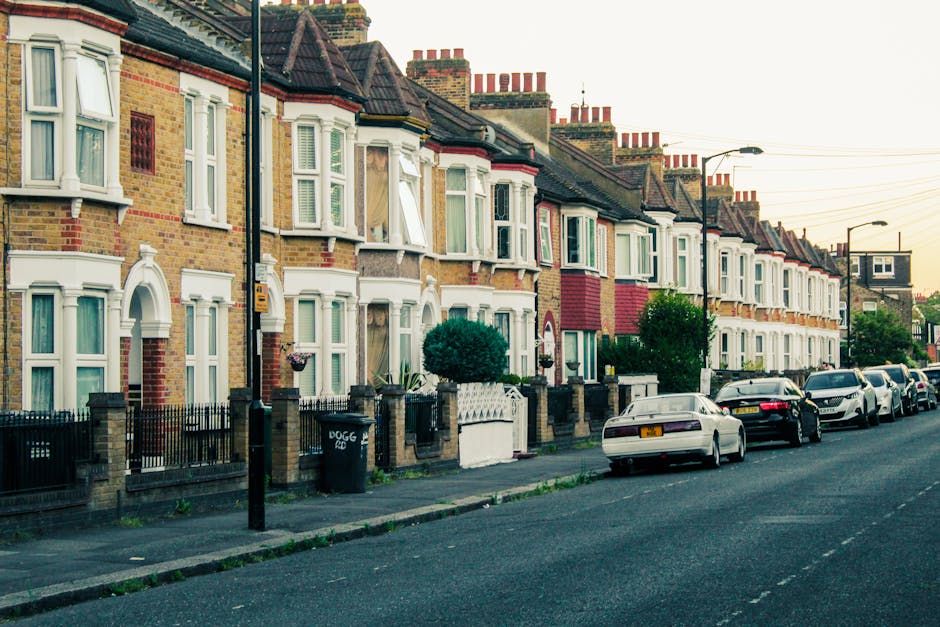
Moving from Angell Town estate removals and parking tips: a practical local guide
Planning a move out of Angell Town can feel like one of those jobs that looks straightforward until you start thinking about the lift, the staircase, the corners, the parking, the neighbour who needs to get out at 8:15, and the van that somehow always appears bigger on moving day. Moving from Angell Town estate removals and parking tips is really about making the whole process calmer, safer, and less rushed. If you get access and parking right, everything else gets easier.
This guide walks you through the real-world side of moving from the estate: how to plan access, where delays usually happen, what to do about parking, and how to choose the right kind of removal support for a flat, maisonette, or larger home move. It also covers practical packing, timing, and a few common-sense checks that people often wish they had done earlier. Truth be told, a little planning here saves a lot of lifting later.
Why moving from Angell Town estate removals and parking tips matters
Angell Town is a busy residential estate, and that changes the tone of a move. On paper, you are just relocating furniture and boxes. In practice, you are working around shared access, other residents, uneven time pressure, and vehicle space that may be tighter than you expected. That is why the parking side matters just as much as the carrying side.
When parking is not thought through, the consequences are annoyingly familiar: the removal van ends up too far away, items are carried longer than needed, the move takes longer, and stress starts climbing before breakfast. If there are stairs or a narrow entrance involved, the knock-on effect is even bigger. A few extra minutes of planning can save a very long afternoon.
It also matters because estate moves are rarely just about volume. A one-bedroom flat with awkward access can be harder than a two-bedroom house with a drive. Moving from Angell Town estate removals and parking tips should therefore focus on access, timings, and loading distance, not just the number of boxes. That is the bit that weaker guides often miss.
Expert summary: The best estate move is not the one with the biggest van. It is the one with the shortest carry, the clearest access plan, and the least chance of blocking anyone else in.
If you are arranging a broader house move or flat move, it can help to review related services such as flat removals, home moves, or the wider removal services offered by the team.
How moving from Angell Town estate removals and parking tips works
The process is simpler when you split it into two linked tasks: the move itself and the parking/access plan. The move is the lifting, loading, and transport. The parking plan is everything that makes the move possible without frustration. They are separate on paper, but in reality they are joined at the hip.
Start by thinking about where the van can legally and safely stop. Then look at the distance from that point to your front door, lift, or stairwell. Then consider whether there is a sensible way to protect walkways, avoid blocking neighbours, and reduce the number of trips. That sequence sounds basic, but it is exactly what makes removals run smoothly.
In many estate moves, the best result comes from a smaller vehicle positioned well rather than a large truck parked awkwardly. A man and van or removal van can often be a better fit than a larger vehicle if access is tight or parking is limited. For bigger loads, a properly planned moving truck may still be the right choice. The key is matching the vehicle to the site, not the other way around.
There is also the human side. A good removal plan gives everyone a clearer job to do. Someone watches the door, someone manages fragile items, someone keeps an eye on parking, and the day stops feeling like organised chaos. Well, mostly organised.
Key benefits and practical advantages
Good estate removal planning gives you a few very real advantages:
- Shorter carrying distances, which means less fatigue and less chance of damage.
- Faster loading and unloading, especially when parking is close and clear.
- Lower stress for neighbours, because you are not blocking shared access for longer than necessary.
- Better protection for furniture, since items are handled fewer times.
- More predictable timing, which helps if you are working around a handover, keys, or a tight schedule.
There is also a cost angle. If a move takes longer because the van cannot get close enough, that extra time can affect the overall job length. Not always dramatically, but enough to matter. For that reason, it is worth asking for clear pricing and quotes before the day so you understand what is included and how time is likely to be charged.
For people who want extra support with wrapping, boxing, and getting things ready without turning the week into a packing marathon, packing and boxes and packing and unpacking services can take a lot of pressure off.
Who this is for and when it makes sense
This guide is useful if you are:
- leaving a flat or maisonette on Angell Town estate
- moving to another part of Brixton or nearby London
- trying to coordinate a same-day handover
- moving with limited parking space or shared access
- helping a tenant, family member, or housemate with the logistics
- planning a student move, a small home move, or a lighter van load
It also makes sense if your move includes awkward items like wardrobes, a piano, or a heavy sofa that needs careful handling. In those cases, the parking plan matters even more because the people carrying those items need a direct route. If you have special items, look at piano removals or furniture removals as part of the wider move planning.
For students, short-distance moves and mixed loads are very common. A lighter service such as student removals may be enough if you are mostly moving boxes, bags, and a few furniture pieces. For larger household changes, a full house removals plan may be more appropriate.
Step-by-step guidance
Here is a practical way to handle the move without getting tangled up halfway through the day.
- Walk the route first. Check the path from your door to the van point. Look for steps, tight corners, doors that only open one way, and anything that could snag a trolley or a sofa.
- Work out the parking position. Decide where the van can stop, how long it can stay there, and whether access is likely to be shared. If you can reduce the carry by even a few metres, do it.
- Separate items by priority. Put essentials, valuables, and fragile pieces aside. You do not want the kettle buried under six boxes labelled "misc". That never ends well.
- Label boxes clearly. Room names help. So does a brief note like "fragile" or "open first".
- Disassemble what you can. Beds, table legs, shelves, and detachable parts travel better when prepared in advance.
- Protect shared areas. Use covers or blankets where appropriate and be mindful of walls, railings, and door frames.
- Load in order. Heavy and sturdy items first, lighter and fragile items later, unless your removal team has a different loading plan.
- Keep one person on coordination. Someone needs to know where the keys are, what is left, and whether the van needs to move.
If the move is smaller or access is unusually tight, a man with van option can be practical. If the move is more substantial, a bigger crew through removals may suit you better. There is no prize for choosing the largest vehicle available if half the job is spent waiting around it.
Expert tips for better results
Here are the details that make a surprising difference in real life:
- Pick a sensible moving window. Early starts can help, especially before the estate gets busier. Midday can be trickier if parking is shared and local traffic builds up.
- Keep the route dry and clear. If it has rained, wipe down steps and hall floors where you can. Slips happen fast when everyone is carrying something.
- Use the right team for the right task. If you only need lifting and transport, a man with a van may be enough. If you need a more complete move, compare that with house removalists.
- Plan for one awkward item. In most moves there is one awkward item that causes the delay. A sofa bed, a mattress that won't turn, a bike, a mirror. Find it early and decide how it will be handled.
- Keep parking communication simple. If someone is waiting, tell them clearly when the van is due to move. A calm two-minute update beats five minutes of guesswork.
One small tip from experience: put your kettle, phone charger, basic toiletries, and a clean mug in one accessible bag. It sounds ordinary, but on moving day, ordinary can feel like luxury.
And yes, one more thing. If you think, "I'll remember where that box went," you probably won't. None of us do. Especially after lunch.
Common mistakes to avoid
Most moving problems are preventable. The usual mistakes are not dramatic, just irritating:
- Assuming the van can park anywhere. Shared estates do not work like that. Even if a space looks free, think through who else needs access.
- Leaving packing until the last night. You can do it, sure. But it is a poor idea if you also need energy the next morning.
- Forgetting lift or stair constraints. A sofa that turns in your hallway may still not fit in the van the way you expected.
- Choosing the wrong vehicle size. Too small means extra trips. Too large can make parking harder and create more stress than necessary.
- Not checking what the move includes. Some jobs need packing support, furniture handling, or storage. If you are unsure, ask before moving day, not during it.
Another common slip is ignoring the end of the move. You arrive, the boxes come off, and then everyone is too tired to think about disposal, recycling, or where the extra furniture should go. If that sounds familiar, services such as furniture pick up and recycling and sustainability can be useful to keep the whole move tidy from start to finish.
Tools, resources and recommendations
You do not need fancy equipment for a smooth move, but a few basics help a lot:
- Strong boxes and tape for stacking and stability
- Labels or marker pens to keep rooms and contents clear
- Furniture blankets or protective wraps for corners and polished surfaces
- A trolley or sack truck if the route allows it
- Simple checklists for keys, meters, chargers, and essentials
- A plan for temporary storage if move-out and move-in dates do not line up
If your dates do not quite match, storage can bridge the gap neatly. That is especially useful for estate moves where one property is ready before the next one is fully sorted. If you are moving a business base or office equipment rather than a home, the right fit may be commercial moves or office removals.
For short-notice situations, same-day removals can be helpful when timing has changed unexpectedly. It is not the first choice for every move, but it is very handy when plans have gone a bit sideways.
Law, compliance, standards, or best practice
For a local residential move, the main compliance concerns are usually practical rather than dramatic. You want to avoid unsafe lifting, protect shared areas, and park responsibly. In the UK, moving teams should follow sensible health and safety practice, use appropriate lifting techniques, and take care with access routes and vehicle positioning.
If a removal company is helping you, it is wise to check that they have clear safety procedures, suitable insurance, and transparent terms. A professional provider should be able to explain how items are handled, what happens if access is restricted, and how they manage damage risk. That is not overkill. That is just sensible. You can review related standards and company policies through pages such as health and safety policy, insurance and safety, and terms and conditions.
Payment security and personal data also matter if you are paying a deposit or sharing move details. For that side of things, look at payment and security and privacy policy. If you have questions about how the company operates or who you are dealing with, the about us page can be a useful first stop.
Finally, if there is any concern about the way a move is handled, a clear complaints route is reassuring. It does not mean problems are expected. It simply means there is a proper process if something needs to be raised. You can also find company guidance on complaints procedure and broader service information through removal companies.
Options, methods, or comparison table
Choosing the right moving method depends on access, load size, and how much help you want on the day. Here is a simple comparison.
| Option | Best for | Pros | Watch out for |
|---|---|---|---|
| Man and van | Smaller loads, short local moves, tighter access | Flexible, practical, often easier to park | May need more trips for bigger homes |
| Removal van | Medium moves, flat contents, mixed furniture | Good balance of capacity and manoeuvrability | Still needs sensible parking planning |
| Moving truck | Larger loads, more furniture, fuller households | More room in one go | Can be harder to position on estate roads |
| Full removals team | Full-property moves, heavy items, more complex jobs | More hands, less stress, better for awkward items | May be unnecessary for a very small move |
As a general rule, if your access is tight and parking is the biggest issue, smaller and more agile is often better. If you are moving a whole family home, scale matters more. The right answer is not one-size-fits-all, and that is fine.
Case study or real-world example
Imagine a resident moving out of a second-floor flat on Angell Town estate on a Friday morning. The contents are fairly typical: a bed, a sofa, boxes of books, kitchen items, and a couple of fragile mirrors. The initial plan is to use a larger van and park as close as possible to the block entrance.
On arrival, the closer parking spot is already in use, and there is no obvious way to sit the van directly outside. Instead of forcing the issue, the mover adjusts the plan: the van is positioned where it can legally and safely stop, the team shortens the route through the building, and the most awkward furniture is moved first while the corridor is clear. Someone keeps the door free, someone watches the van, and a final pass is made for forgotten items before leaving.
The difference is not dramatic in a cinematic sense. No thunderclap, no magical transformation. But the move stays calm, the stairs are managed carefully, and nobody spends the afternoon wishing they had packed the mugs earlier. That is the real win.
If the move had turned out to be larger than expected, extra support from house removals or a more flexible man with a van arrangement could have made the day easier. The point is to match the method to the building, not just the contents.
Practical checklist
Use this before the moving van arrives.
- Confirm the moving time and access window
- Check where the van can legally stop
- Keep the walking route from door to van clear
- Set aside fragile items and valuables
- Label boxes by room
- Pack one essentials bag for the first 24 hours
- Disassemble furniture where practical
- Protect floors, corners, and door frames if needed
- Make sure keys, phone, and documents are easy to reach
- Plan what happens to any unwanted furniture or leftover items
- Have a backup plan if parking is unexpectedly busy
- Leave a final room-by-room sweep before locking up
If there are items you do not want to take, or simply cannot fit into the move, it may be worth looking at furniture pick up alongside your removal plan. That way the move-out feels complete rather than half-finished.
Get a free quote today and see how much you can save.
Conclusion
Moving from Angell Town estate removals and parking tips is really about control. The more thought you put into parking, access, and load order, the less the day will feel like a scramble. That does not mean every move will be perfect. Far from it. But it does mean you give yourself the best chance of a clean, steady, low-stress move.
Start early, keep the route clear, choose the right vehicle size, and use help where it genuinely makes life easier. If you do that, you are already ahead of most moving days. And when the last box is off the van and the door finally closes behind you, that quiet little moment of relief is hard to beat.
Honestly, that first cup of tea in the new place tastes better when the parking drama is already behind you.
Frequently Asked Questions
What is the main challenge when moving from Angell Town estate?
The biggest challenge is usually access and parking rather than the packing itself. Shared estate roads, limited stopping space, and carrying items farther than expected can all slow the move down.
Should I choose a van or a larger truck for an estate move?
It depends on the amount of furniture and how easy it is to park. A smaller vehicle can be much better if access is tight, while a larger truck suits bigger household loads if there is room to position it safely.
How early should I plan parking for moving day?
As early as possible. At the very least, think about parking when you confirm the move, not on the morning itself. A simple access plan prevents a lot of last-minute shuffling.
What should I do if I cannot park right outside the building?
Focus on reducing the carry distance and keeping the route clear. If needed, adjust the loading sequence so the most awkward items are moved while the route is unobstructed.
Is a man and van service enough for a flat move from Angell Town?
Often, yes. For smaller flats or lighter loads, a man and van service can be a practical choice. For bigger or more complex moves, a fuller removals service may be better.
How can I make the move quicker on the day?
Label boxes clearly, pack an essentials bag, disassemble furniture in advance where possible, and keep the route between your door and the van clear. The less time spent deciding what goes where, the better.
What if I need to store items between moving dates?
Temporary storage can bridge a gap if your move-out and move-in dates do not match neatly. That is common enough, especially in London.
Do removal companies help with packing as well?
Some do, and it can be very useful if you are short on time or have a lot of fragile items. Look for packing and unpacking services if you want more support than transport alone.
How do I reduce the risk of damage in a shared estate?
Protect door frames and corners where appropriate, use the right team for the size of the job, and avoid forcing large furniture through awkward spaces. Slow is often faster than repair work later.
What should I check before booking a removal company?
Check that the service matches your needs, that pricing is clear, and that safety and insurance information is easy to understand. It is also sensible to review terms and conditions before confirming anything.
Can I arrange help for heavy or special items?
Yes. Heavy furniture, pianos, and awkward items often need more specialised handling. Services like piano removals and furniture removals are built for that kind of work.
Where can I get more help if my move is urgent?
If timing has become tight, same-day removals may be worth considering. It is best used when plans change suddenly and you need a practical response, fast.